How often should I have an eye examination?
Most adults should have a comprehensive eye exam every two years, but your optometrist may recommend annual visits depending on your vision needs or medical history.
What happens during a comprehensive eye examination?
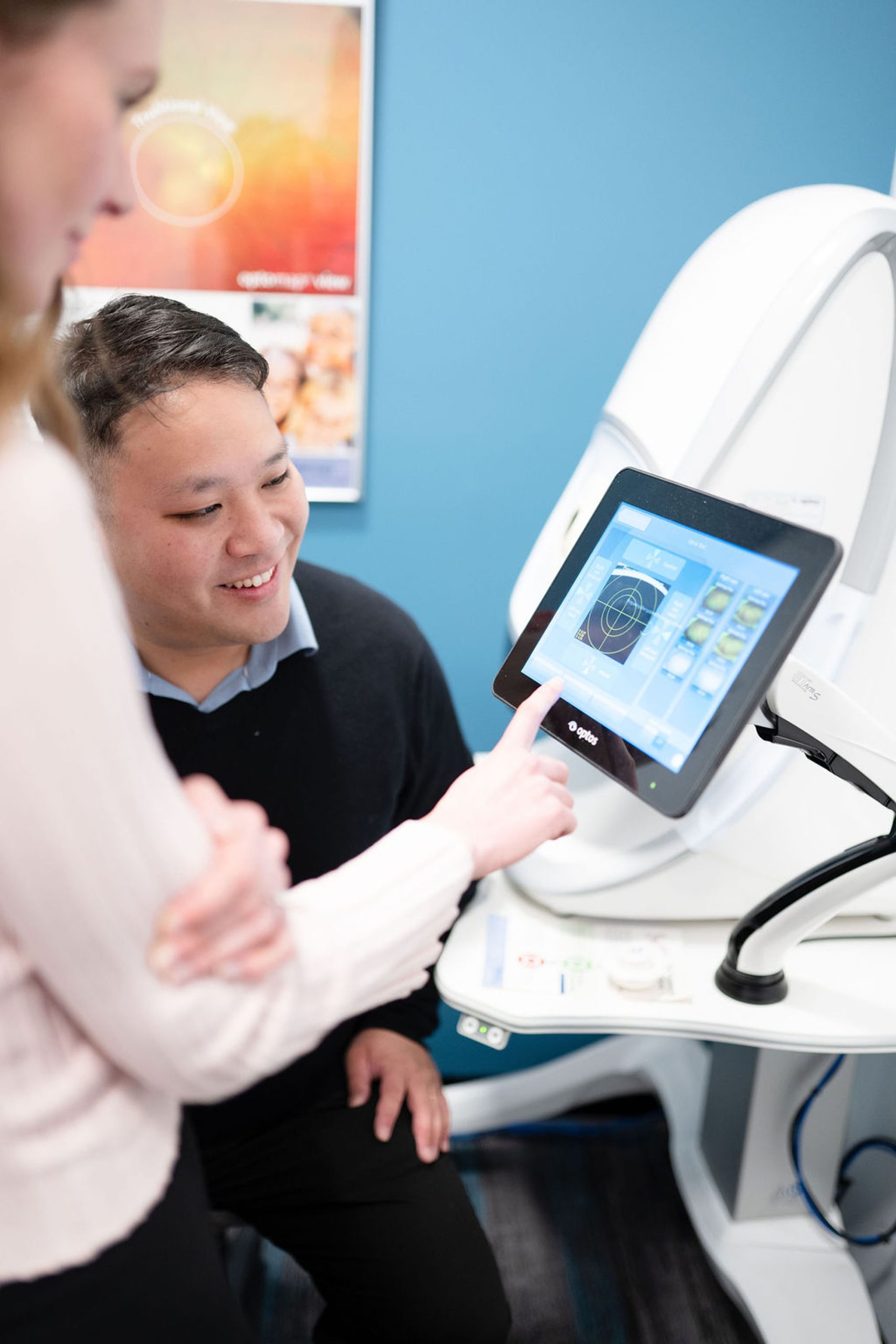
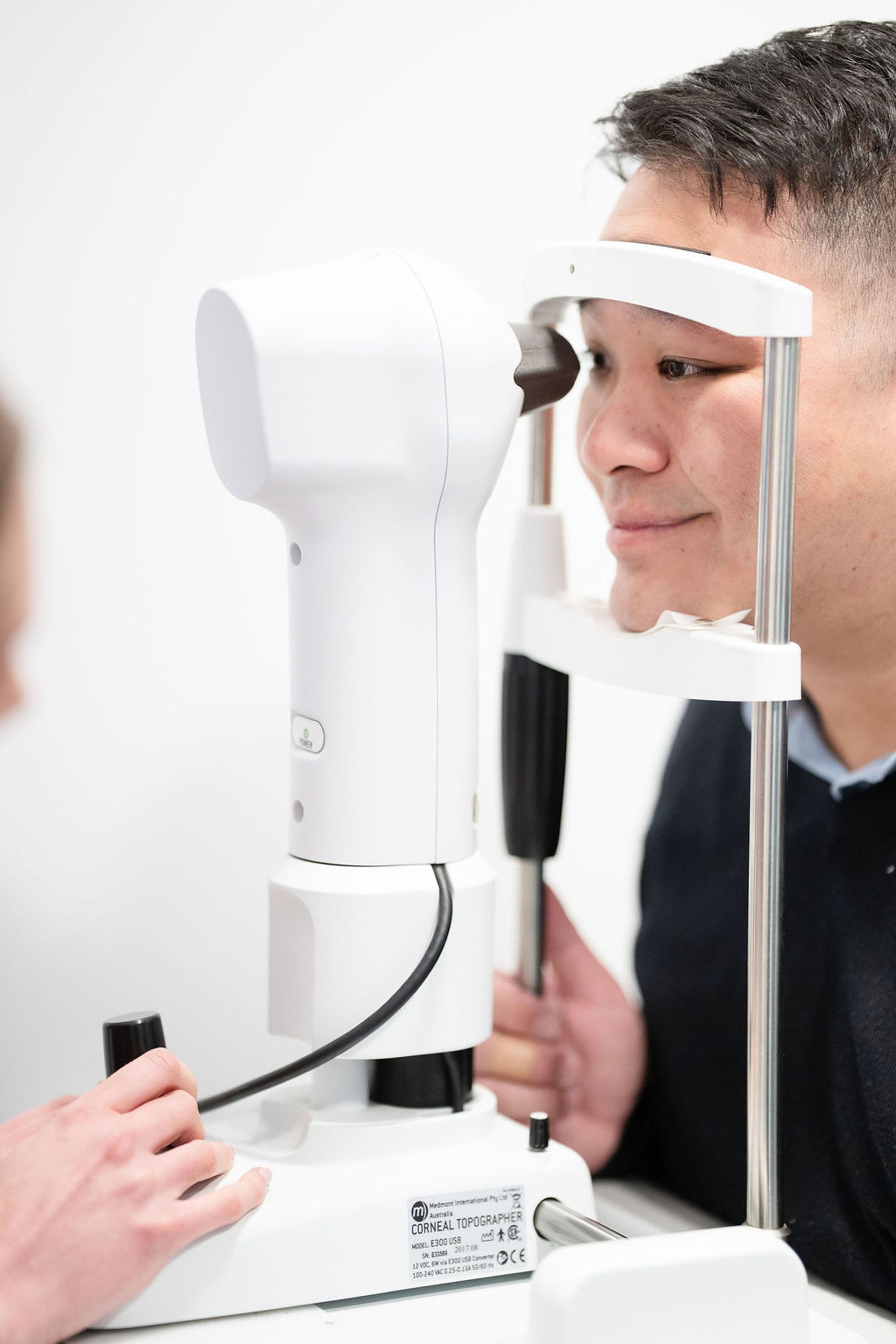
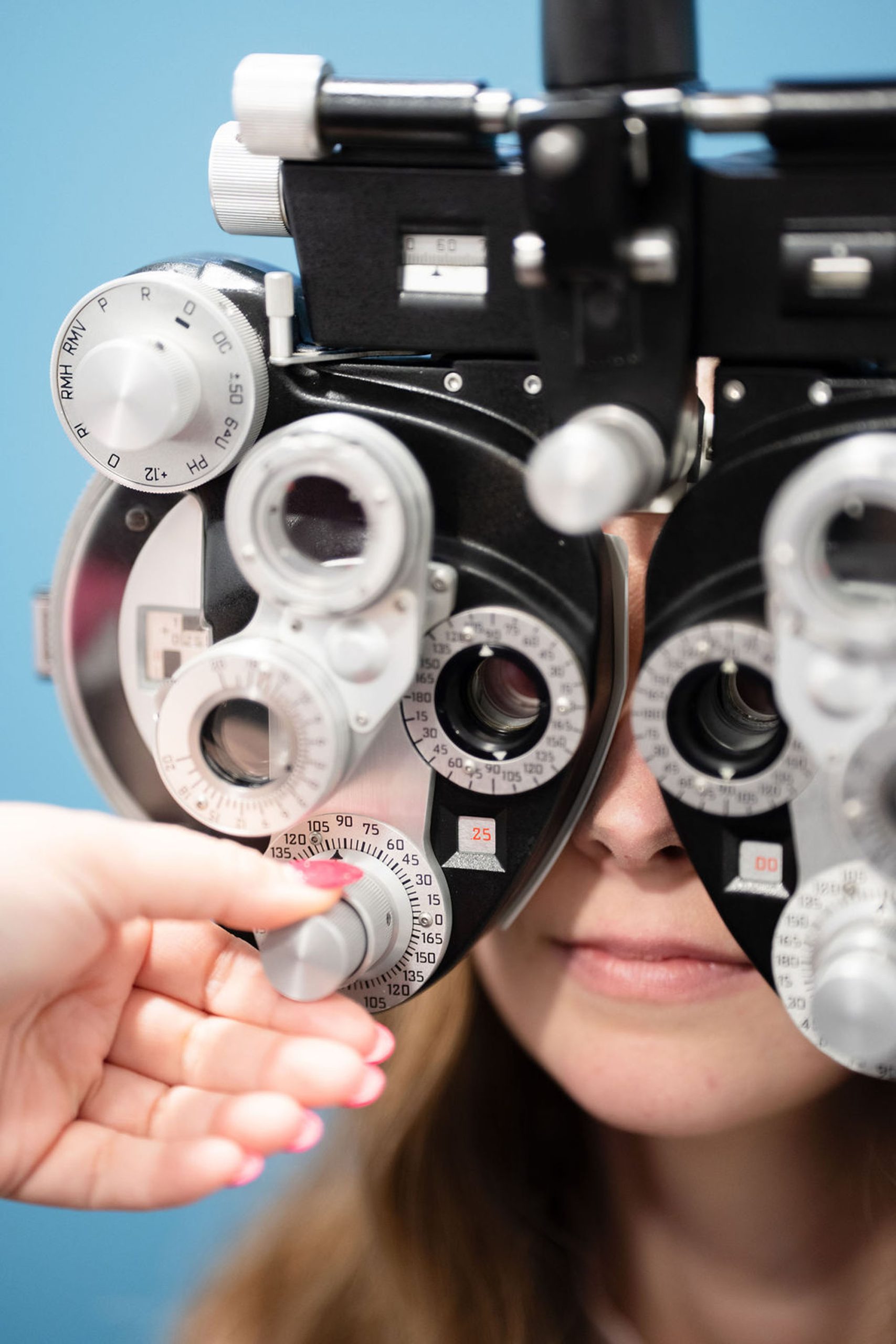
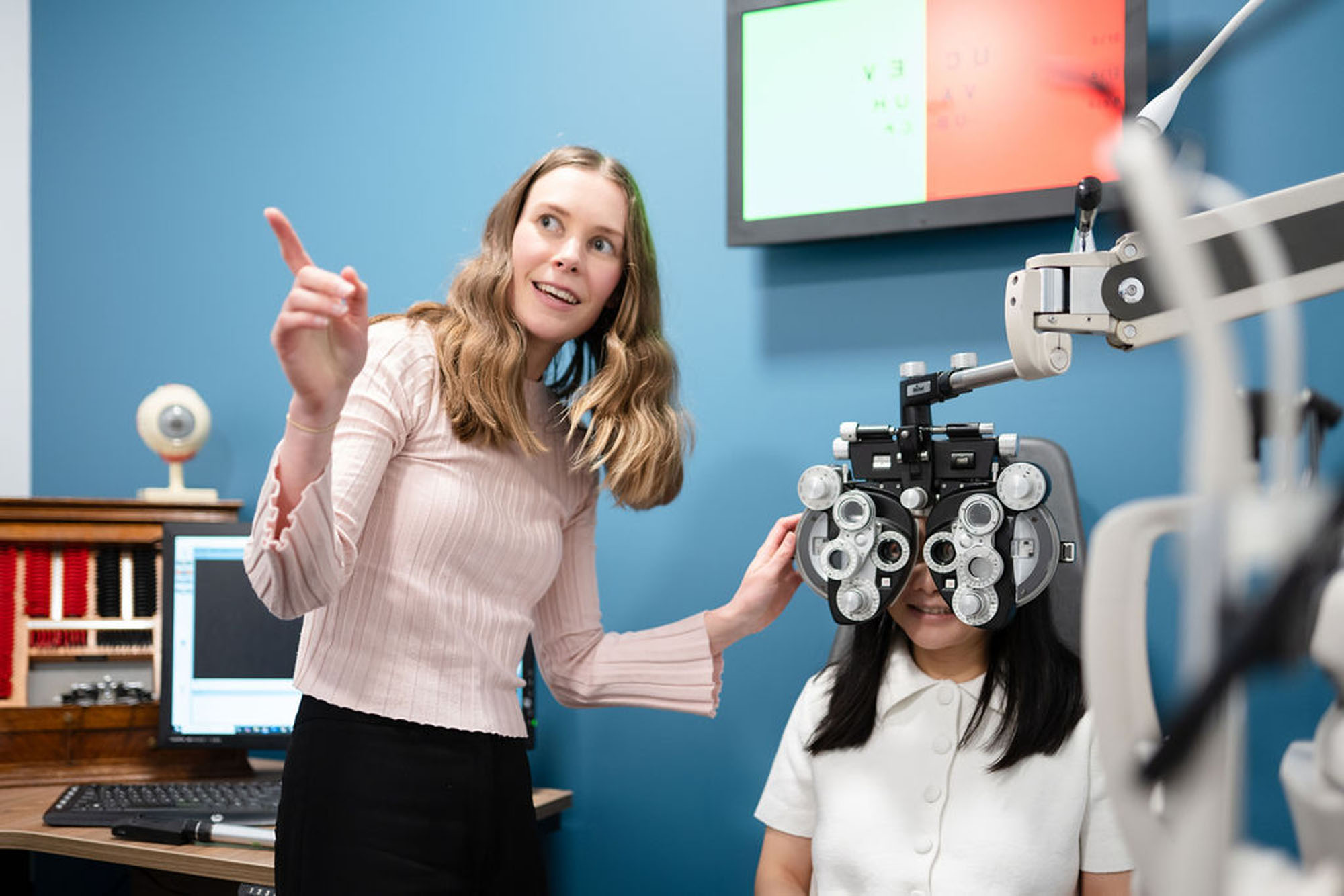
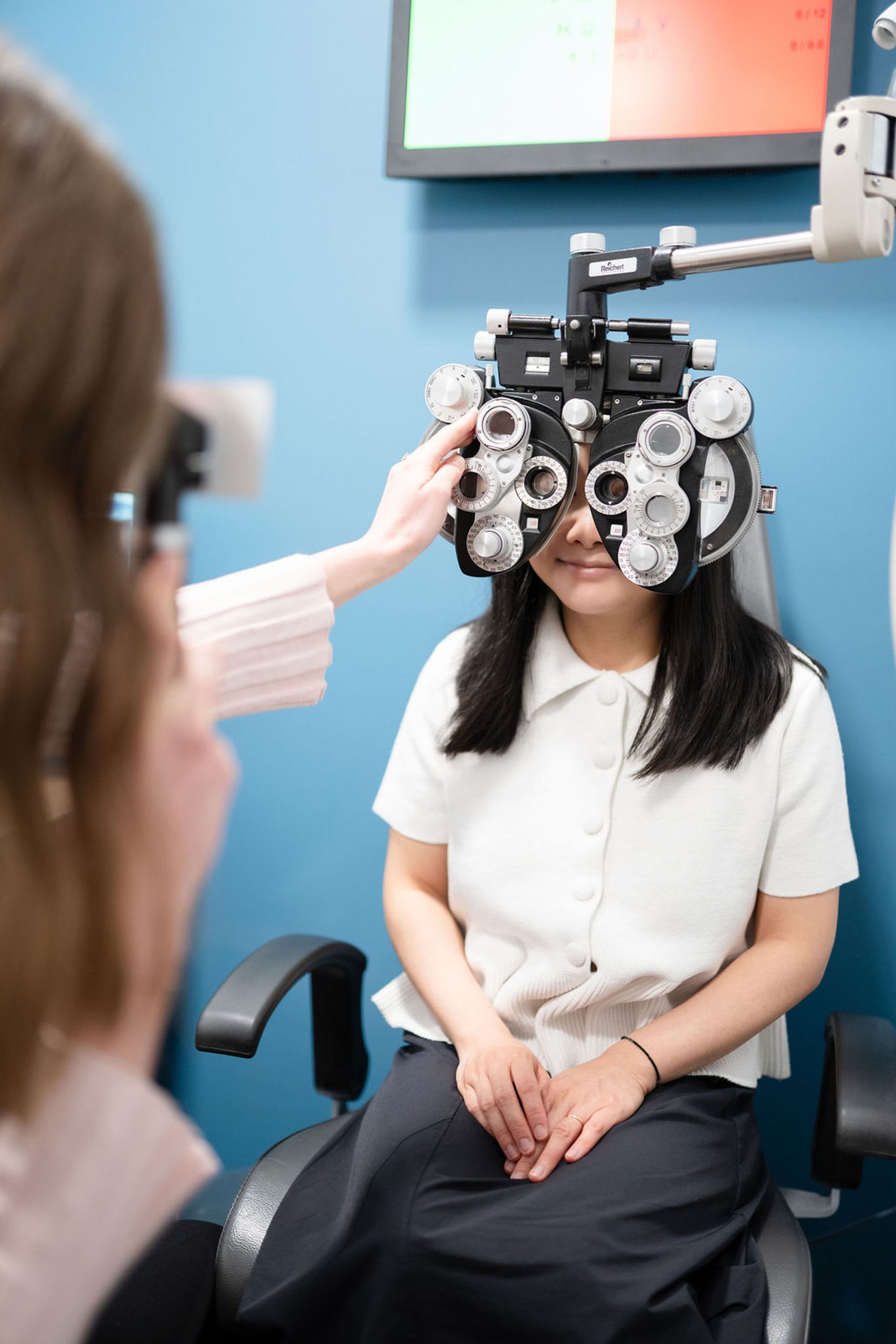
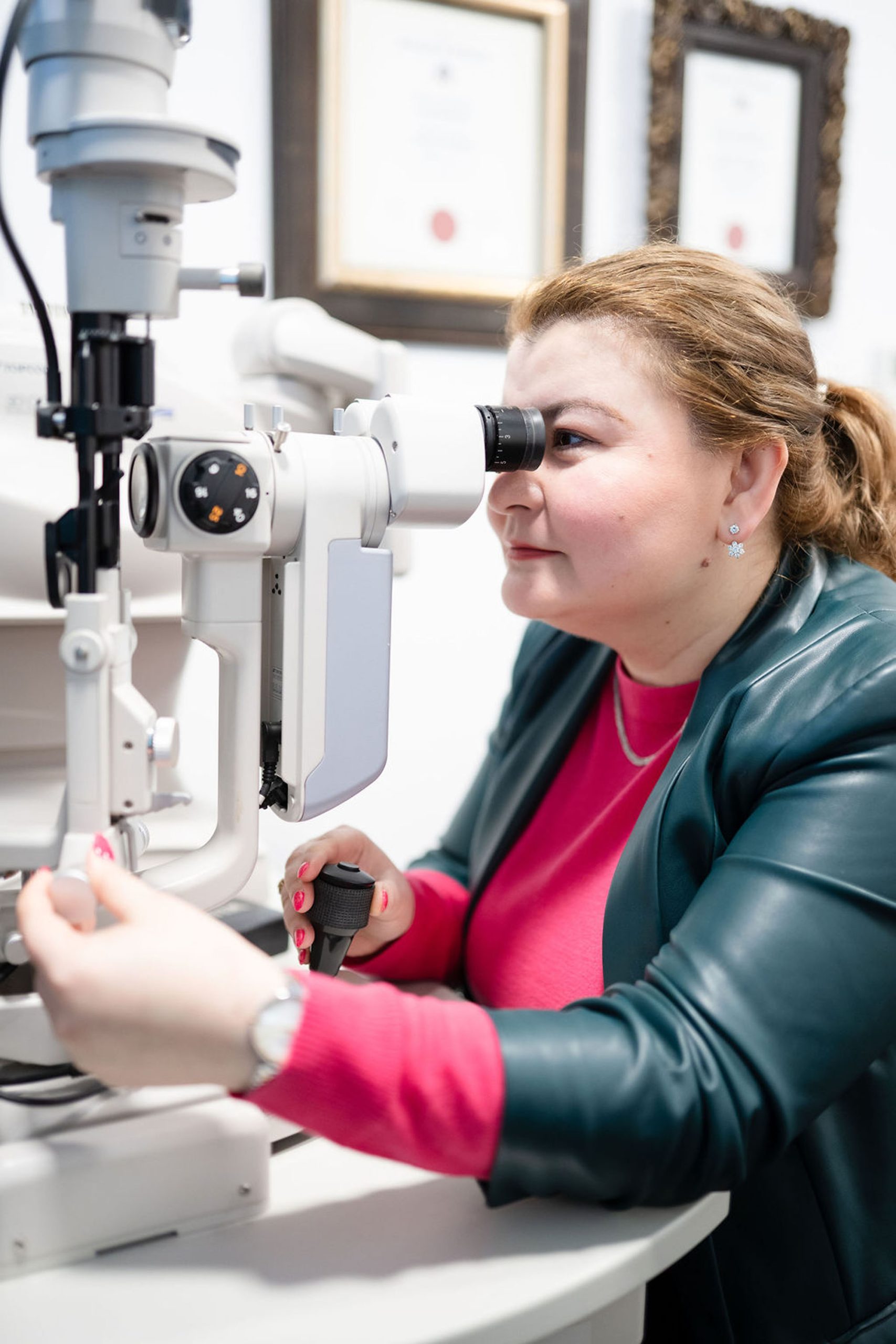
Your optometrist assesses your vision, eye muscle function, eye pressure, and overall eye health. We check for conditions such as glaucoma, cataracts and macular degeneration.
Do I need an eye test even if I can see clearly?
Yes. Many eye conditions develop slowly and without obvious symptoms. Regular checks help detect issues early.
How long does an eye examination take?
A standard exam typically takes 40 minutes, depending on your needs and whether additional testing is required.
Are eye examinations bulk-billed?
We bulk bill children aged 10 and younger as well as healthcare concession card and pension card holders. Otherwise, we do privately charge but you will receive Medicare rebates. Further scans may incur fees, but this will be discussed with you upon your visit.
What should I bring to my appointment?
Bring your Medicare card, health insurance card (if applicable) all the glasses or contact lenses you wear, a list of any medications, and your previous prescriptions if available.
Do you offer children’s eye examinations?
Yes. We provide comprehensive children’s vision testing, including assessments for learning-related vision issues.
Will my eyes be dilated during the exam?
Generally, we do not need to dilate your eye upon the standard eye exam. However, dilation may be recommended to thoroughly assess the back of your eyes if there are clinical indications. Please this can cause mild light sensitivity for a few hours hence we do not recommend driving for a few hours.
Can I get glasses or contact lenses after my exam?
Yes. After your prescription is finalised, our team can help you choose frames or fit contact lenses at either location.